Category: Uncategorized

  • The Future of Accessible Web Design

    The Future of Accessible Web Design

    Introduction

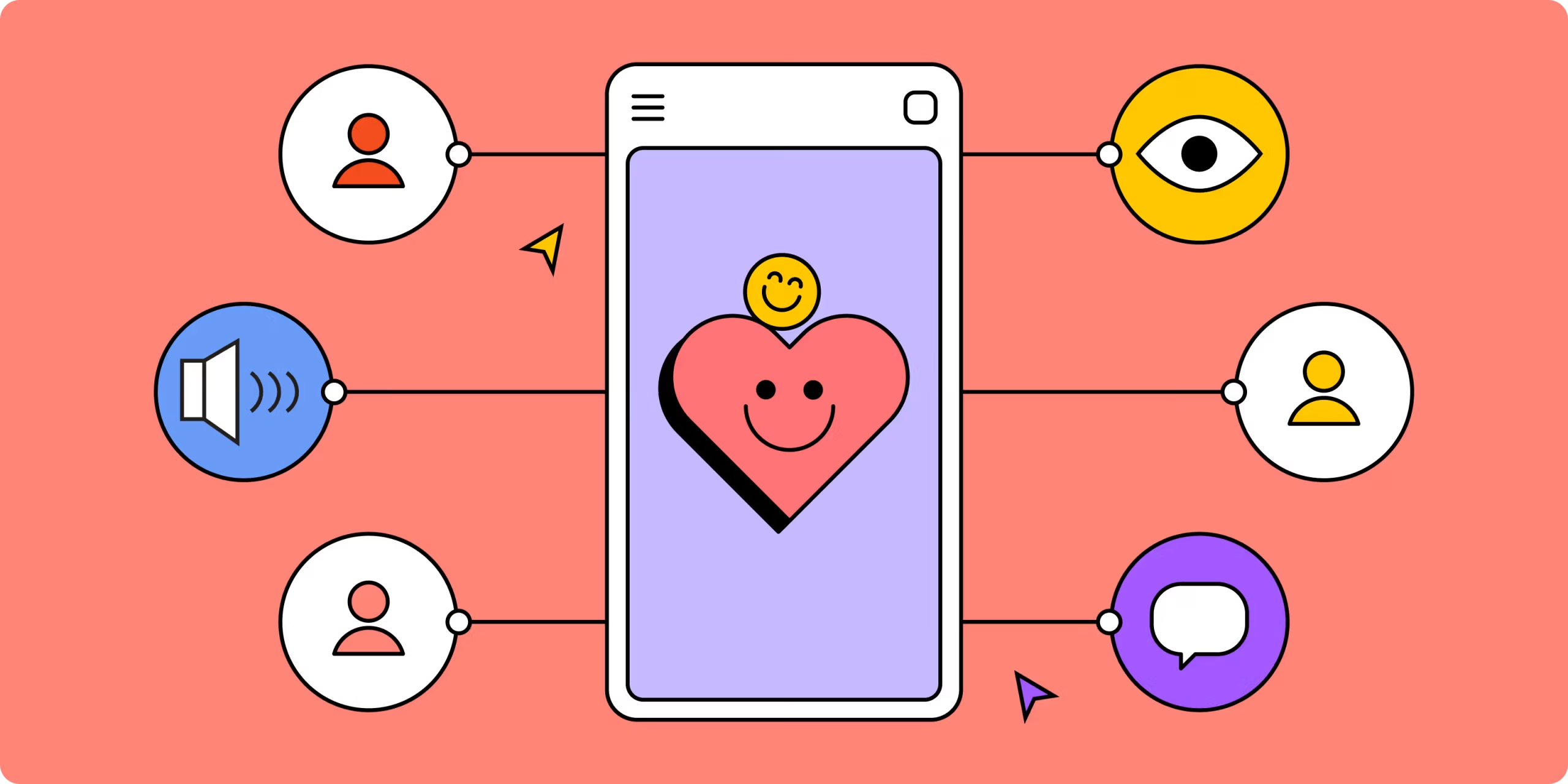
    Web accessibility is no longer optional—it is a core part of modern web development. As more services move online, ensuring that websites work for everyone, including users with disabilities, is essential for inclusivity and usability.

    Why Accessibility Matters

    Accessible design allows people with visual, auditory, cognitive, or motor impairments to interact with digital content effectively. Features like screen reader compatibility, keyboard navigation, and proper color contrast significantly improve the user experience for all visitors—not just those with disabilities.

    Key Principles of Accessible Design

    One of the foundations of accessibility is semantic HTML. Using elements like

    ,

  • The Future of Healing: How Virtual Reality Is Transforming Therapy

    The Future of Healing: How Virtual Reality Is Transforming Therapy

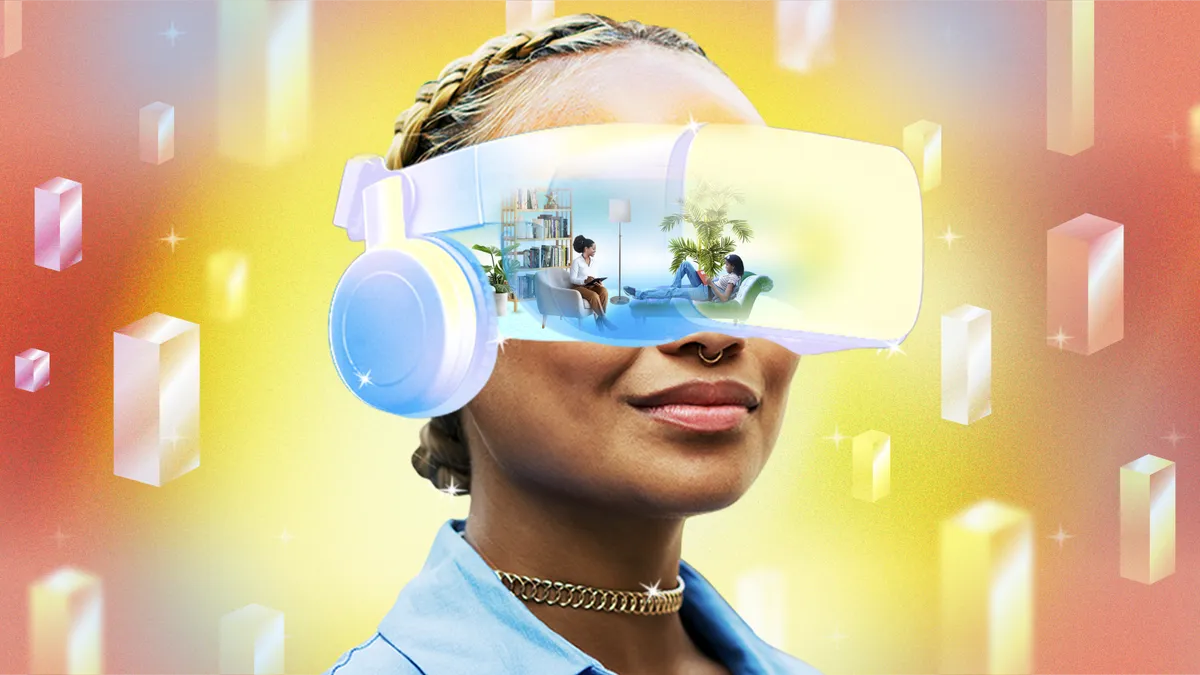
    In recent years, virtual reality (VR) has moved far beyond gaming and entertainment. What once seemed like futuristic technology is now finding a meaningful place in healthcare—particularly in the field of therapy. From treating anxiety and PTSD to helping patients manage chronic pain, VR is opening new doors for both clinicians and patients alike.

    What Is VR Therapy?

    VR therapy involves using immersive, computer-generated environments to simulate real-world or imagined scenarios. Patients wear a VR headset and are guided through experiences designed to support specific therapeutic goals. These environments can range from calming nature scenes to controlled recreations of stressful situations, depending on the treatment plan.

    Unlike traditional therapy, VR offers a level of immersion that allows patients to “experience” situations rather than just talk about them. This can make therapy more engaging, interactive, and, in many cases, more effective.

    Applications of VR in Therapy

    1. Exposure Therapy for Anxiety and PTSD
    One of the most well-established uses of VR in therapy is exposure treatment. Patients with phobias, social anxiety, or post-traumatic stress disorder can gradually confront their fears in a safe, controlled setting. For example, someone afraid of flying can experience a virtual airplane environment without ever leaving the ground.

    2. Pain Management
    VR has shown promising results in reducing both acute and chronic pain. By immersing patients in engaging virtual worlds, their attention is diverted away from pain signals. This technique has been used successfully in burn treatment, physical rehabilitation, and even during medical procedures.

    3. Rehabilitation and Physical Therapy
    VR can gamify physical therapy exercises, making them more enjoyable and motivating. Patients recovering from injuries or strokes can perform guided movements in interactive environments, which can improve adherence to treatment and accelerate recovery.

    4. Stress Reduction and Mindfulness
    Virtual environments designed for relaxation—such as beaches, forests, or guided meditation spaces—can help individuals manage stress and anxiety. These experiences can be particularly helpful for people who struggle with traditional mindfulness practices.

    Benefits of VR Therapy
    Controlled Environments: Therapists can tailor scenarios to match a patient’s needs and adjust difficulty in real time.
    Increased Engagement: The immersive nature of VR can make therapy feel less clinical and more interactive.
    Accessibility: VR can potentially bring therapy to people who have limited access to in-person care.
    Measurable Progress: Many VR systems can track user responses and progress over time, providing valuable data for clinicians.
    Challenges and Considerations

    Despite its promise, VR therapy is not without limitations. The cost of equipment and software can be a barrier for some clinics. Additionally, not all patients are comfortable with VR—some may experience motion sickness or discomfort.

    There are also important ethical and privacy considerations. As VR systems collect data about user behavior and responses, ensuring that this information is handled securely is critical.

    The Road Ahead

    As technology continues to evolve, VR is likely to become more integrated into mainstream therapeutic practices. Advances in hardware, software, and artificial intelligence could make these tools more affordable, personalized, and widely available.

    While VR is not a replacement for traditional therapy, it is a powerful complement—one that has the potential to make treatment more effective, engaging, and accessible.

    Final Thoughts

    Virtual reality is reshaping how we think about therapy. By bridging the gap between imagination and experience, it offers new ways to confront challenges, build resilience, and support healing. As research continues and adoption grows, VR may well become a standard tool in the therapist’s toolkit—helping people not just cope, but truly thrive.

  • Getting Started with Personal Projects

    Getting Started with Personal Projects

    Personal projects are one of the most effective ways to develop technical skills, creativity, and problem-solving ability. Unlike structured coursework or professional work, personal projects give you complete control over scope, tools, and direction.

    The hardest part is often starting. Many ideas feel overwhelming because they are imagined in their final form. A useful shift is to focus instead on a minimal version—something small enough to complete in a short time frame but meaningful enough to be motivating.

    This “first version” does not need to be impressive. In fact, its main purpose is to exist. Once something exists, it becomes much easier to improve, expand, and refine. Iteration is where most learning happens.

    Choosing the right project matters. Ideally, it should sit at the intersection of curiosity and challenge. If it is too easy, it becomes boring. If it is too difficult, it becomes discouraging. The best projects stretch your ability slightly beyond your current comfort zone.

    As the project develops, you naturally encounter problems you have not solved before. These moments are valuable—they force you to research, experiment, and think critically. Over time, this builds not just knowledge, but confidence in your ability to figure things out.

    Ultimately, personal projects are less about the final product and more about the process of learning through building.

  • Why Minimalist Design Works

    Why Minimalist Design Works

    Minimalist design has become a dominant trend in digital spaces, and for good reason. By reducing visual clutter, it allows users to focus on what truly matters.

    A clean interface improves usability. When there are fewer distractions, navigation becomes intuitive and content becomes more digestible. This is especially important for mobile users, where space is limited.

    Minimalism doesn’t mean removing everything—it means being intentional. Every element should serve a purpose. Whether it’s a button, an image, or a line of text, it should contribute to the user experience.

  • The Role of Technology in Everyday Life

    The Role of Technology in Everyday Life

    Technology is no longer something we actively “use” occasionally—it is something we continuously live within. From communication to transportation, entertainment to education, digital systems shape much of our daily experience.

    One of the most significant impacts of technology is connectivity. Information can now be shared instantly across the world, enabling collaboration at a scale that was previously impossible. This has transformed industries, education systems, and even personal relationships.

    However, this constant connectivity introduces new challenges. The boundary between work and personal life has become less distinct, especially with mobile devices making communication always available. Without intentional boundaries, it becomes easy to remain mentally “on” at all times.

    Another important shift is the increasing automation of everyday tasks. From recommendation systems to smart home devices, technology is gradually reducing the amount of manual decision-making required in daily life. This can improve efficiency, but also raises questions about dependency and awareness.

    Looking ahead, technology will likely become even more integrated into physical environments through wearable devices, augmented reality, and intelligent systems that respond to context in real time. The challenge will be ensuring that these systems enhance human capability rather than replace intentional decision-making.

    The most effective approach is not rejection or blind adoption, but thoughtful integration—using technology as a tool while maintaining control over how it shapes attention, behavior, and priorities.

  • A Simple Guide to Better Productivity

    A Simple Guide to Better Productivity

    Productivity is often misunderstood as doing more in less time. In reality, effective productivity is about doing the right things with consistent focus and minimal friction.

    A strong starting point is clarity. Many people struggle not because they lack effort, but because they lack direction. Defining a small number of meaningful priorities each day helps reduce decision fatigue. Instead of reacting to tasks as they appear, you operate with intention.

    Time management techniques can help structure this intention. Methods like time blocking allow you to assign specific tasks to specific periods of the day, reducing multitasking. The Pomodoro technique introduces structured breaks, helping maintain focus while avoiding burnout. These systems are not rigid rules but flexible frameworks you can adapt.

    Environment also plays a major role. A cluttered workspace or constant digital interruptions can silently degrade concentration. Small adjustments—like disabling unnecessary notifications or organizing your workspace—can significantly improve cognitive flow.

    Importantly, rest is not the opposite of productivity. It is part of it. Cognitive performance declines without recovery, and sustained output depends on cycles of focus and rest. Even short breaks can improve problem-solving and creativity.

    Over time, productivity becomes less about discipline alone and more about designing systems that make good habits easier and distractions harder.

  • Understanding Muscular Dystrophy: Causes, Symptoms, and Future Treatments

    Understanding Muscular Dystrophy: Causes, Symptoms, and Future Treatments

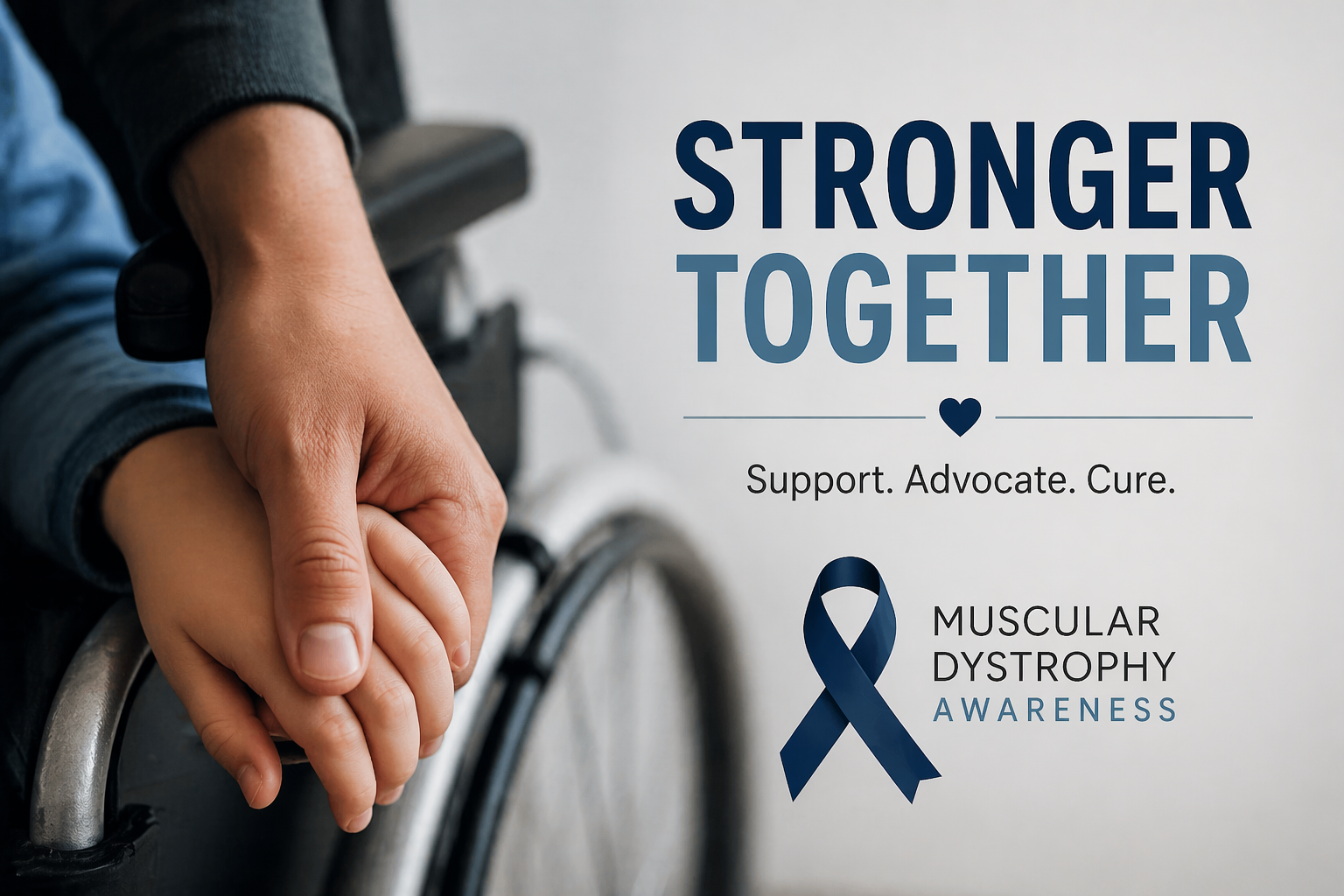
    Muscular dystrophy (MD) is a group of genetic disorders that gradually weaken the body’s muscles over time. While the condition can affect people differently depending on the type and severity, all forms of muscular dystrophy share one key feature: progressive muscle loss that impacts movement, strength, and independence.

    What Is Muscular Dystrophy?

    Muscular dystrophy refers to a collection of inherited conditions caused by mutations in genes responsible for healthy muscle function. These genes normally help produce proteins that are essential for building and maintaining muscle fibers. When these proteins are missing or not working correctly, muscles become damaged over time and are replaced by fatty or fibrous tissue.

    There are several types of muscular dystrophy, including:

    • Duchenne muscular dystrophy (DMD) – the most common and severe form in children
    • Becker muscular dystrophy – similar to DMD but generally progresses more slowly
    • Myotonic dystrophy – affects both muscles and other body systems
    • Limb-girdle muscular dystrophy – primarily affects the hips and shoulders

    Each type varies in age of onset, severity, and progression.

    What Causes Muscular Dystrophy?

    Muscular dystrophy is caused by genetic mutations, meaning it is typically inherited from one or both parents. These mutations affect proteins such as dystrophin, which plays a critical role in protecting muscle cells during movement.

    Without these proteins, muscle cells are more easily damaged. Over time, the body is unable to repair the damage effectively, leading to muscle weakness and degeneration.

    In most cases, MD is passed down through families, but spontaneous mutations can also occur without a family history.

    Symptoms of Muscular Dystrophy

    Symptoms depend on the type of muscular dystrophy, but common signs include:

    • Increasing muscle weakness over time
    • Difficulty walking, running, or climbing stairs
    • Frequent falls or trouble with balance
    • Muscle stiffness or cramps
    • Loss of muscle mass
    • Fatigue after light physical activity

    In some forms of MD, the condition can also affect the heart and respiratory muscles, which may lead to more serious complications.

    How Is It Diagnosed?

    Doctors use a combination of methods to diagnose muscular dystrophy, including:

    • Genetic testing to identify mutations
    • Blood tests to check for elevated muscle enzymes
    • Muscle biopsies to examine tissue damage
    • Physical exams and neurological assessments

    Early diagnosis can help individuals and families better understand the condition and plan for long-term care.

    Treatment and Management

    Currently, there is no cure for muscular dystrophy, but there are treatments that can help manage symptoms and improve quality of life.

    Common approaches include:

    • Physical therapy to maintain mobility and flexibility
    • Occupational therapy to support daily activities
    • Medications such as corticosteroids to slow muscle degeneration
    • Assistive devices like braces, wheelchairs, or mobility aids
    • Cardiac and respiratory care when needed

    Research is also advancing rapidly in areas such as gene therapy, which aims to address the root genetic causes of the disease.

    Living with Muscular Dystrophy

    Living with muscular dystrophy presents challenges, but many individuals continue to lead meaningful, active lives with the right support systems in place. Families, caregivers, and medical professionals play a key role in helping individuals adapt as the condition progresses.

    Advances in accessibility, adaptive technology, and medical care continue to improve independence and quality of life for those affected.

    The Future of Research

    One of the most promising areas of research is gene-based therapy, which aims to repair or replace faulty genes responsible for muscular dystrophy. Other approaches include stem cell therapy and drug development targeting muscle regeneration.

    While these treatments are still being developed, they offer hope for significantly improving outcomes in the future.

    Conclusion

    Muscular dystrophy is a complex genetic condition that affects muscle strength and function over time. Although there is currently no cure, ongoing research and supportive care options continue to improve the lives of those affected.

    As science progresses, the future holds promising possibilities for better treatments—and potentially a cure—for muscular dystrophy.

  • What It’s Like to Have Dyslexia

    What It’s Like to Have Dyslexia

    For Erica Stock Williams, dyslexia runs in the family. She has it, as does her father and her 16-year-old daughter.

    “I went through a lot of my life feeling like I was stupid,” said Ms. Stock Williams, 45, who lives in Scotts Mills, Ore. “People didn’t understand what was actually happening in the brain — and that it wasn’t connected at all to your I.Q.”

    Ms. Stock Williams said the condition, which can make it challenging to read and write quickly, made it difficult for her daughter to keep up in school and lowered her self-esteem. But with support, her teenager is now reading at the same pace as her peers and getting straight A’s in her advanced placement classes.

    Even so, Ms. Stock Williams said, her daughter “felt like there was something wrong with her” for a long time.

    Dyslexia, a learning disorder involving the brain networks responsible for language processing and reading, remains widely misunderstood. Over the past week, President Trump has repeatedly attacked Gavin Newsom, the California governor, for having dyslexia. His remarks have surfaced negative stereotypes and underscored the stigma surrounding the condition.

    Mr. Trump said on Monday that Mr. Newsom, who is seen as a likely Democratic presidential candidate, was not fit for the role because he is dyslexic, calling him “a low-IQ person.”

    “Honestly, I’m all for people with learning disabilities, but not for my president,” said Mr. Trump, who has a history of mocking people with impairments. “Everything about him is dumb.”

    Although dyslexia is often depicted as words leaping off the page and getting mixed around, many people with the condition say reading takes more time and effort, as though every sentence has to be manually decoded rather than easily understood. The condition affects as many as 20 percent of people in the United States and is often diagnosed during childhood.

    Early treatment can help re-pattern the brain and improve reading skills, said Dr. Jeffrey Brosco, a developmental pediatrician at the University of Miami Miller School of Medicine, although dyslexia is a lifelong condition.
    Research has shown that dyslexia isn’t associated with lower intelligence, and many people with dyslexia are creative and quick thinkers, said Thomas Preston, director of neuropsychology at Stony Brook Medicine.

    Ben Powers, president of the Dyslexia Foundation, said in a statement that “the idea that it reflects low IQ or limits someone’s capacity to lead is simply not supported by science. Millions of people with dyslexia succeed at the highest levels across every field.”

    Still, dyslexia can feel distressing and isolating, particularly when a child is struggling without understanding why. “I couldn’t read; I couldn’t spell; I couldn’t write,” Mr. Newsom wrote in his recent memoir about growing up with severe dyslexia. “I’d run out of the room screaming that I didn’t know what was wrong with my brain.”

    For young children, dyslexia can be especially demoralizing.

    Tessa Balderrama’s dyslexia sometimes came with a nagging sense of inadequacy, “like I feel like I should be smarter than this,” she said. In school, when she was randomly chosen to read aloud in class, she struggled to process the words on the page and pronounce them correctly. It was “the biggest nightmare ever,” Ms. Balderrama said.

    Some children handle this distress by acting out and getting into trouble, Dr. Brosco said, while others internalize it, becoming sad, anxious or depressed. The isolation and lack of understanding “can propel a cycle of social, educational and ultimately vocational marginalization,” Dr. Preston added. But with the right accommodations and support, such as assistive technologies for reading, people with dyslexia can thrive in school and beyond.

    Abby Van Metre, 27, a neuroscience specialist from Miami, was diagnosed with dyslexia in the first grade after struggling to read and do basic math. But she said her mother recognized her potential from the start and sought out support and accommodations for her, such as vision therapy and extended time for testing.

    In turn, Ms. Van Metre learned to associate sounds, memories and colors with written words to better process them. Over time, she came to see her dyslexia as a source of pride and something that helps her think in nonlinear ways.

    Today, Ms. Balderrama, 25, works in marketing in Austin, Texas, and she credits her dyslexia with helping her excel in her creative work, including graphic design. “You have to give grace for yourself that it’s going to take a little longer than anyone else to read this or understand it,” she added. But Ms. Balderrama feels this has also made her more empathetic and understanding.

    Ms. Stock Williams never received the type of support that her daughter has had, such as private tutoring or an individualized education program at her school. Neither did her father, who wasn’t diagnosed with dyslexia until his 50s. He barely graduated from high school but eventually became a successful businessman.

    Seeing how different things are for his granddaughter, she said, “brings him to tears.”

  • How Athletics Shapes Discipline and Performance

    How Athletics Shapes Discipline and Performance

    Introduction

    Track and field is often seen as purely physical competition, but it is equally a mental game. Success in athletics depends on consistency, attention to detail, and long-term discipline.

    The Importance of Small Adjustments

    In sprinting and hurdling events, even minor changes in stride length, reaction time, or hurdle technique can significantly impact performance. Athletes constantly refine their mechanics to gain fractions of a second.

    Mental Strength in Competition

    Pressure is a constant factor in competitive sports. Learning to manage nerves, stay focused during races, and recover from setbacks is just as important as physical training. Mental preparation often separates good athletes from great ones.

    Training Consistency

    Progress in athletics is built over time. Regular training schedules, structured workouts, and recovery routines help athletes maintain peak performance. Skipping consistency often leads to stagnation or regression.

    Conclusion

    Track and field develops more than physical ability—it builds discipline, resilience, and focus that carry over into all areas of life.