 Inclusive Tech Lab
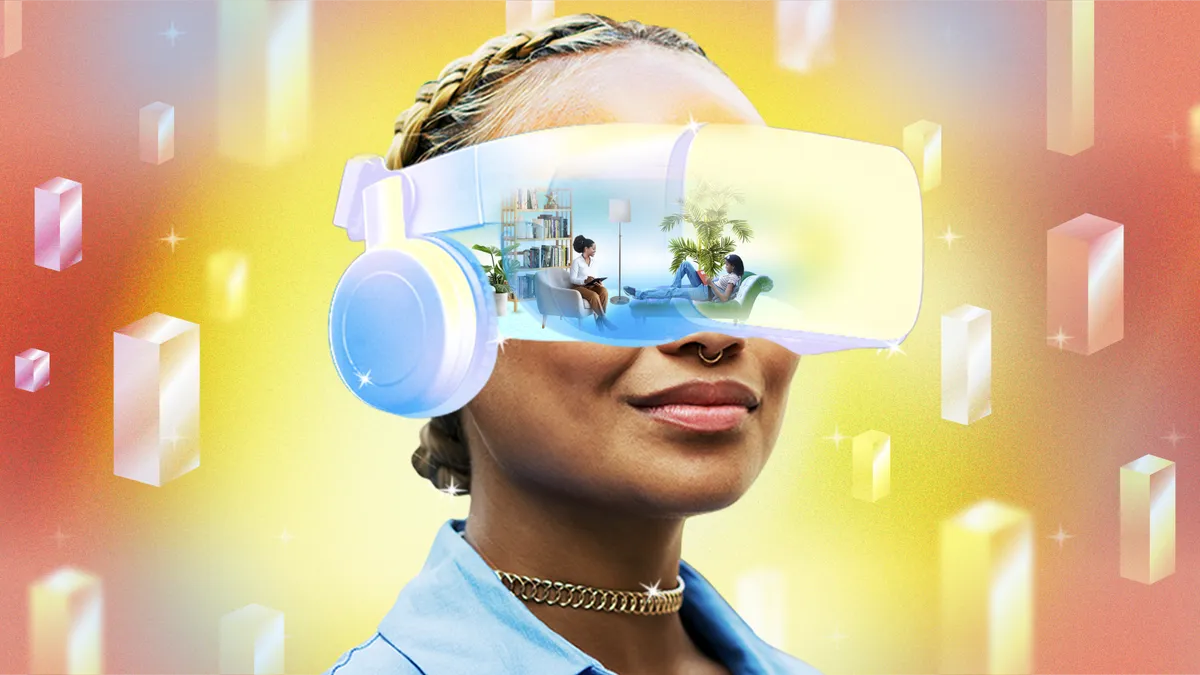
In recent years, virtual reality (VR) has moved far beyond gaming and entertainment. What once seemed like futuristic technology is now finding a meaningful place in healthcare—particularly in the field of therapy. From treating anxiety and PTSD to helping patients manage chronic pain, VR is opening new doors for both clinicians and patients alike.
What Is VR Therapy?
VR therapy involves using immersive, computer-generated environments to simulate real-world or imagined scenarios. Patients wear a VR headset and are guided through experiences designed to support specific therapeutic goals. These environments can range from calming nature scenes to controlled recreations of stressful situations, depending on the treatment plan.
Unlike traditional therapy, VR offers a level of immersion that allows patients to “experience” situations rather than just talk about them. This can make therapy more engaging, interactive, and, in many cases, more effective.
Applications of VR in Therapy
1. Exposure Therapy for Anxiety and PTSD
One of the most well-established uses of VR in therapy is exposure treatment. Patients with phobias, social anxiety, or post-traumatic stress disorder can gradually confront their fears in a safe, controlled setting. For example, someone afraid of flying can experience a virtual airplane environment without ever leaving the ground.
2. Pain Management
VR has shown promising results in reducing both acute and chronic pain. By immersing patients in engaging virtual worlds, their attention is diverted away from pain signals. This technique has been used successfully in burn treatment, physical rehabilitation, and even during medical procedures.
3. Rehabilitation and Physical Therapy
VR can gamify physical therapy exercises, making them more enjoyable and motivating. Patients recovering from injuries or strokes can perform guided movements in interactive environments, which can improve adherence to treatment and accelerate recovery.
4. Stress Reduction and Mindfulness
Virtual environments designed for relaxation—such as beaches, forests, or guided meditation spaces—can help individuals manage stress and anxiety. These experiences can be particularly helpful for people who struggle with traditional mindfulness practices.
Benefits of VR Therapy
Controlled Environments: Therapists can tailor scenarios to match a patient’s needs and adjust difficulty in real time.
Increased Engagement: The immersive nature of VR can make therapy feel less clinical and more interactive.
Accessibility: VR can potentially bring therapy to people who have limited access to in-person care.
Measurable Progress: Many VR systems can track user responses and progress over time, providing valuable data for clinicians.
Challenges and Considerations
Despite its promise, VR therapy is not without limitations. The cost of equipment and software can be a barrier for some clinics. Additionally, not all patients are comfortable with VR—some may experience motion sickness or discomfort.
There are also important ethical and privacy considerations. As VR systems collect data about user behavior and responses, ensuring that this information is handled securely is critical.
The Road Ahead
As technology continues to evolve, VR is likely to become more integrated into mainstream therapeutic practices. Advances in hardware, software, and artificial intelligence could make these tools more affordable, personalized, and widely available.
While VR is not a replacement for traditional therapy, it is a powerful complement—one that has the potential to make treatment more effective, engaging, and accessible.
Final Thoughts
Virtual reality is reshaping how we think about therapy. By bridging the gap between imagination and experience, it offers new ways to confront challenges, build resilience, and support healing. As research continues and adoption grows, VR may well become a standard tool in the therapist’s toolkit—helping people not just cope, but truly thrive.